Two directions, not three variations
Why presenting three variations of the same design direction is almost always a tell that the thinking is not done yet — and how we structure two genuinely distinct paths instead.
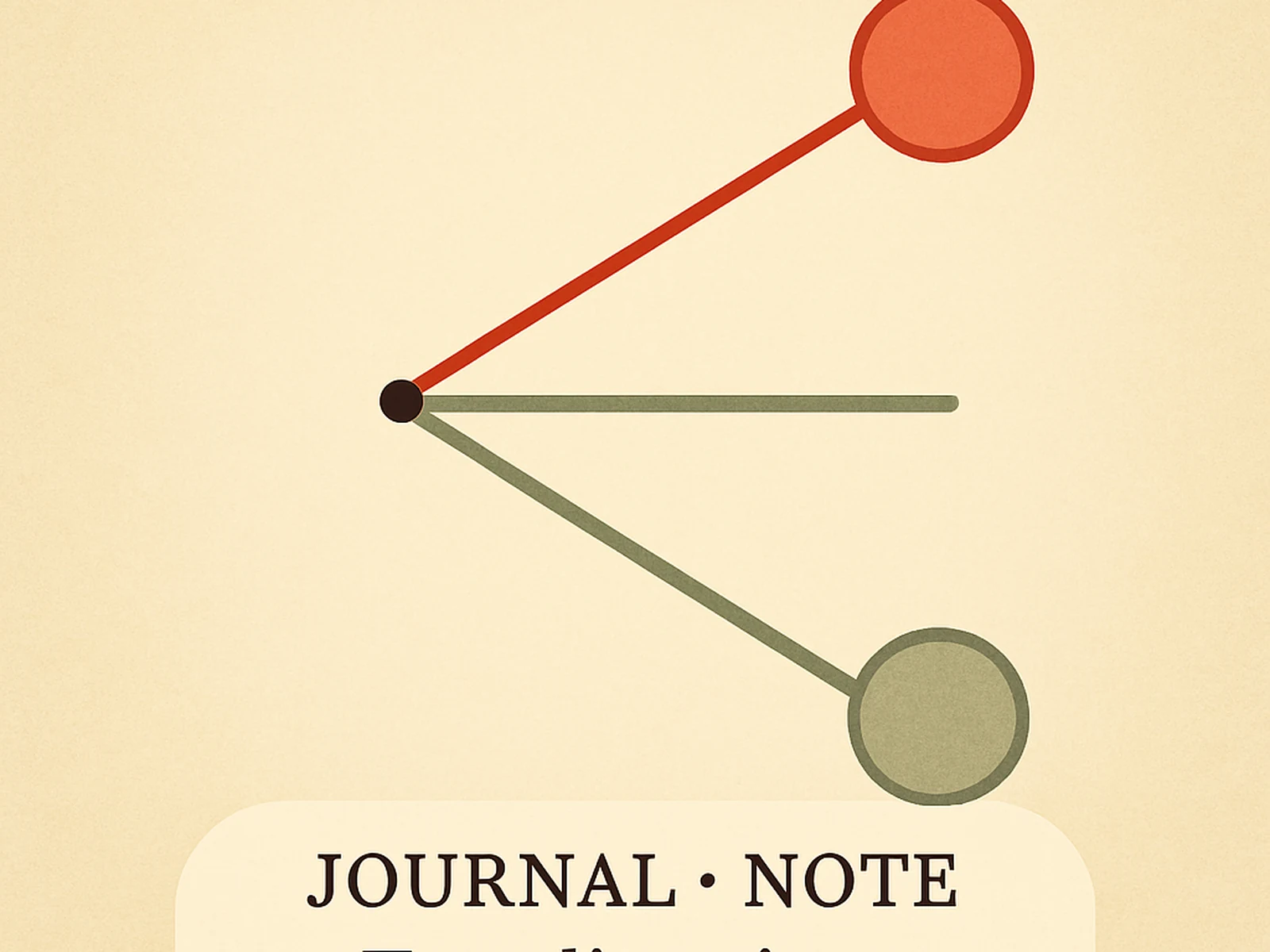
There is a habit in our industry of presenting three design directions at the end of a discovery phase. Three columns in a deck, three side-by-side compositions, three names taped to the wall. The number is comfortable. Three feels generous. Three feels like value.
Three is usually a lie.
The three directions are almost always variations on the same single direction, and the single direction was decided unconsciously in the first week of the project. Direction A is the direction with a serif. Direction B is the direction with a sans-serif. Direction C is the direction with a sans-serif and an accent colour. They share a layout. They share a tone. They share a worldview. The client picks B, the team gets to work on B, and at no point did anyone ask whether the worldview was even the right one.
We present two directions. Not three. Two.
The constraint is honest. If you have done the work, you can describe exactly two paths that are genuinely different, and you can defend each one. If you cannot describe two genuinely different paths, you have not done the work yet and you should keep doing the work.
Genuinely different means the directions disagree about something fundamental. They disagree about who the audience is, or what tone to take with them, or what the site is supposed to do, or what kind of object the site even is — a magazine, a database, a product, a brochure, a landing page. The two directions look different because they think differently. They are not the same direction wearing two outfits.
The presentation is therefore short. We do not have to talk for an hour about why the type pairing in Direction A is more sophisticated than the type pairing in Direction B. We talk about the worldview each direction is committed to, what kind of company would feel at home in each, and what the work of the next twelve weeks looks like under each. The client picks the worldview they want, not the prettier of two pretty things, and the engagement begins.
This sounds like an aesthetic position. It is actually an economic one. The work of the next eight to twelve weeks is so much cheaper to plan when the direction is decided on real terms. We do not relitigate the worldview in week six. We do not present alternates to alternates. We do the work that the direction implies.
If you take one thing from this note, take this. The next time someone presents you three directions, ask them to explain what is fundamentally different about each. If the answer is in fonts, colours, or layouts, the answer is no answer. The three directions are one direction. Ask for two.